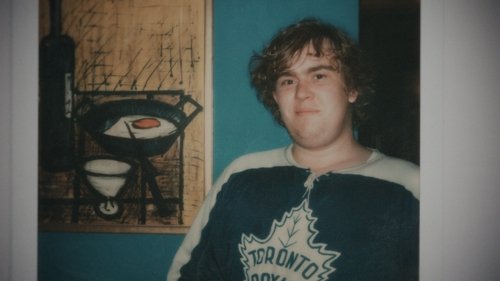
Friends recall teen John obsessing over movies near Toronto’s Donlands.
High-school memories: strict Catholic environment, popularity surge, football passion cut short by knee injury; brief desire to enlist during Vietnam era; friends recount thwarted plan.
Children’s theatre leads to Dan Aykroyd; Godspell crowd; Second City arrives in Toronto; friends “trick” John into audition; he listens, lands a spot.
Confidence grows at Second City; “Johnny Toronto” persona; boisterous nights, big hospitality; friends tell lime-green-carpet and paying-the-tab anecdotes.
SCTV TV years: freedom versus SNL; Harold Ramis as head writer; Candy’s extroverted, connective style on sketches.
Vacation reshoot: Candy’s late-added Walley World guard cameo; Ramis asks for a “Paul Fistinyourface”-type; the fix works.
Bridge to John Hughes era: colleagues weigh craft and timing; Bill Murray anecdote about “milking” a reading; set-up to Candy/Hughes partnership.
Commentators argue Candy should be associated with Hughes; Macaulay notes Candy’s many Hughes films beyond the “Brat Pack” image.
Uncle Buck: paternal warmth with kids; Macaulay recalls playful, respectful improv rhythm; classroom “bad egg” scene underscores Candy’s protective, egalitarian tone.
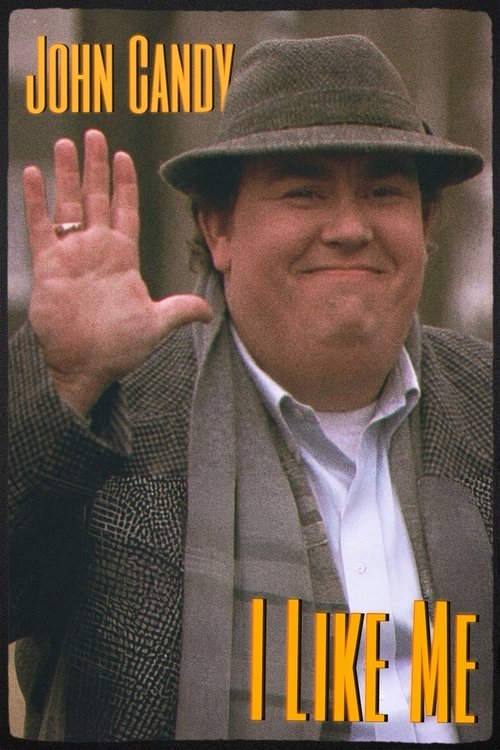
Planes, Trains & Automobiles: the “I like me” speech’s enduring impact; commentators compare Candy’s pathos to Chaplin’s City Lights.
Home Alone cameo origins: Gus Polinski van improv marathon; Columbus recalls 23-hour one-day shoot and backstory bits.
Death and grief: colleagues/family recount shock after Durango; reflections on memories, loss, and public mourning.
End credits
No trailer songs found.
C'mon, there's no such thing as a stupid question. Get the ball rolling and be the first.
WhatSong is the worlds largest collection of movie & tv show soundtracks and playlists.
© 2026 WhatSong Soundtracks. All rights reserved. v5.16.0